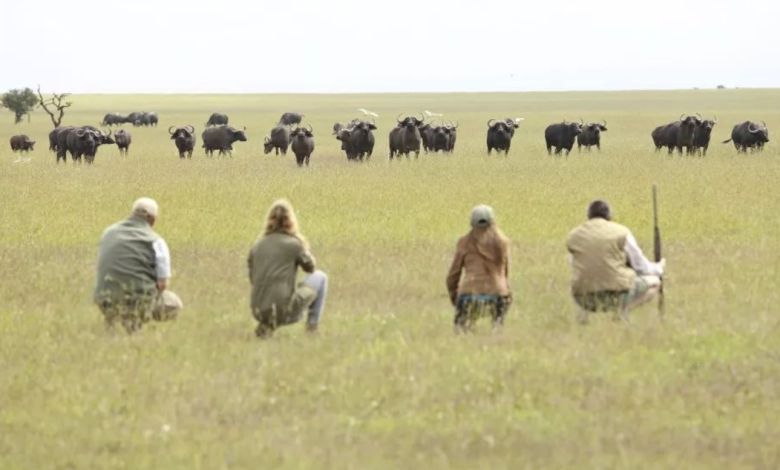
Introduction: Why Kenya is a Photographer’s Paradise
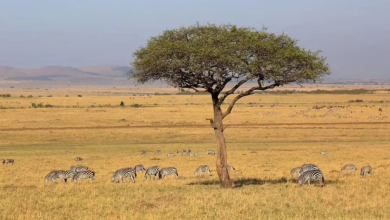
As a professional travel photographer who has visited Kenya five times, I can confidently say it offers some of the most diverse and spectacular photography opportunities on Earth. From the pink-hued flamingo lakes to the dramatic Maasai Mara river crossings, Kenya presents endless frames waiting to be captured. What makes Kenya truly special is how easily accessible these photographic wonders are – within a single week, you can shoot snow-capped mountains, pristine beaches, and the world’s greatest wildlife spectacle.
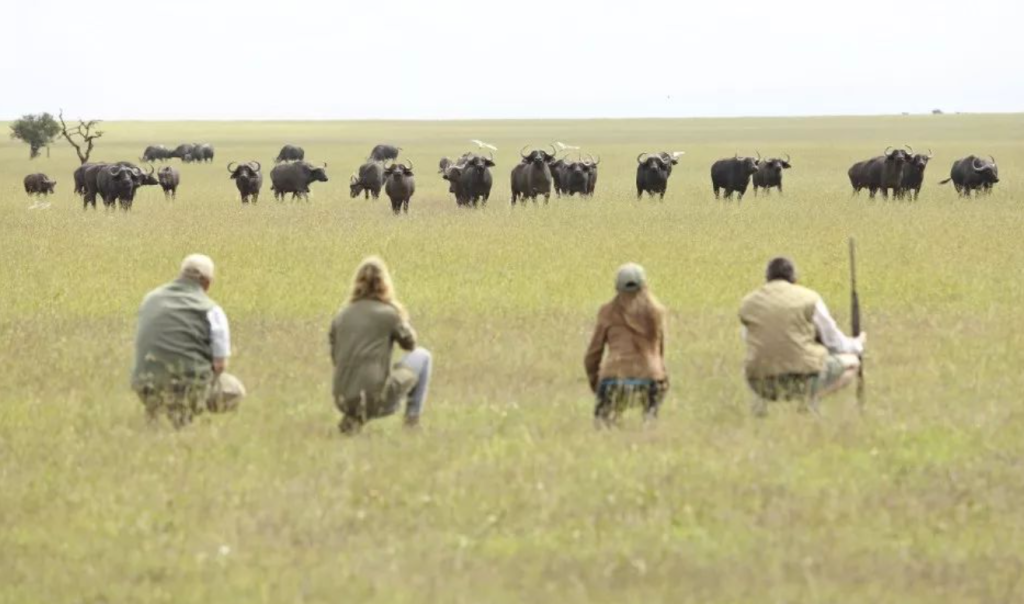
1. Maasai Mara National Reserve: The Crown Jewel
Best Time to Shoot: July-October (Great Migration)
Key Subjects: Big Five, wildebeest crossings, Maasai culture
Gear Recommendation: 100-400mm lens + wide-angle for landscapes
Having witnessed twelve river crossings in the Mara, I can attest they’re among nature’s most dramatic photo ops. The key is patience – crossings often happen around 10 AM when the morning mist lifts. For unique perspectives, I recommend:
- Hot air balloon rides at dawn (book through Governors’ Camp)
- Low-angle shots from specially designed safari vehicles
- Cultural portraits with Maasai warriors at Ol Kinyei Conservancy
Pro Tip: The “little migration” in January-February offers similar drama with far fewer tourists.
2. Amboseli National Park: Elephants Against Kilimanjaro
Best Time to Shoot: June-September (clear mountain views)
Key Subjects: Elephant herds, Kilimanjaro backdrops
Gear Recommendation: 70-200mm zoom for environmental portraits
At Observation Hill, I’ve captured my most iconic elephant images at sunrise when the light turns Kilimanjaro’s snowcap pink. The park’s swamp areas attract elephants in the dry season, creating perfect reflection shots. For something different:
- Time-lapse the mountain’s changing moods
- Black-and-white conversions emphasize texture in elephant skin
- Night photography of elephants under starry skies
3. Lake Bogoria: Flamingo Spectacle
Best Time to Shoot: August-March (peak flamingo season)
Key Subjects: Lesser flamingos, hot springs
Gear Recommendation: 400mm+ telephoto for bird close-ups
This alkaline lake transforms into a living pink canvas when over a million flamingos descend. For unique perspectives:
- Aerial drone shots (check current regulations)
- Silhouettes at sunset when birds take flight
- Macro details of flamingos feeding
Warning: The lake’s edge can be treacherous – use guides from Lake Bogoria Spa Resort.
4. Samburu National Reserve: The Special Five
Best Time to Shoot: January-March (dry season for wildlife concentrations)
Key Subjects: Rare northern species, leopard sightings
Gear Recommendation: Fast prime lenses (f/2.8) for low-light cat photography
Samburu’s “Special Five” provide unique African subjects. My favorite techniques here:
- Backlighting reticulated giraffes at dawn
- Panning shots of Grevy’s zebras in motion
- Hide photography at waterholes for intimate leopard shots
Stay at Saruni Samburu for guides who know exact leopard territories.
5. Mount Kenya: Africa’s Photogenic Peak
Best Time to Shoot: January-February (clearest views)
Key Subjects: Alpine landscapes, unique vegetation
Gear Recommendation: Wide-angle (16-35mm) for mountain vistas
The glacier-carved peaks offer endless compositions:
- Startrail shots from Mountain Lodge’s viewing deck
- Macro photography of giant lobelias
- Portraits with Pokot tribespeople near Sirimon Route
6. Lake Naivasha: Waterbird Wonderland
Best Time to Shoot: Year-round (best light mornings/evenings)
Key Subjects: Hippos, fish eagles, floral farms
Gear Recommendation: Polarizing filter for water reflections
Boat tours reveal intimate moments:
- Action sequences of fish eagle catches
- Underwater housing for hippo portraits
- Panoramic stitches of flower farms
7. Maasai Villages: Cultural Portraiture
Best Time to Shoot: Late afternoon (golden light)
Key Subjects: Traditional ceremonies, beadwork details
Gear Recommendation: 85mm prime for flattering portraits
Authentic village visits require sensitivity:
- Bring instant cameras to gift photos
- Focus on details – hands crafting beads, weathered faces
- Avoid staged jumps – seek genuine interactions
Essential Photography Tips for Kenya
Gear Checklist
- Dual camera bodies (dust changes are inevitable)
- Bean bag support for vehicle shooting
- Rain covers for sudden downpours
- Portable storage (I use 4TB portable SSDs)
Shooting Techniques
- Expose for highlights in harsh sunlight
- Use vehicle roofs for elevated perspectives
- Pre-focus on likely animal movement paths
Ethical Practices
- Never bait animals for photos
- Respect minimum distances (use telephoto)
- Tip guides who position vehicles well
Post-Processing Recommendations
Kenya’s vibrant colors require careful editing:
- Preserve true skin tones in cultural shots
- Subtle vibrance boosts (avoid oversaturation)
- Dodge/burn to emphasize savanna textures
Final Thoughts: Creating Your Kenyan Masterpiece
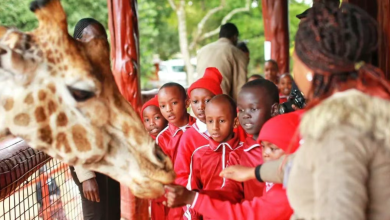
After leading twelve photo tours in Kenya, I’ve learned the best images come from patience and preparation. While the Mara gets most attention, don’t overlook quieter gems like Meru National Park or Lamu’s Swahili architecture. Remember that Kenya’s magic lies not just in its iconic sights, but in the spontaneous moments between – a lion cub’s first hunt, a shared laugh with Maasai children, or the perfect storm light over the Rift Valley. Come prepared technically, but stay open to the unexpected. That’s when Kenya truly reveals its photographic soul.