Introduction: The Living Pillars of Kenyan Landscapes
As I walked through Kenya’s diverse ecosystems over the years – from the arid savannas of Tsavo to the misty slopes of Mount Kenya – I became fascinated by how trees shape both the land and cultural identity. Kenya’s trees are not merely plants; they’re living libraries of traditional knowledge, ecological engineers, and silent witnesses to centuries of history. Having documented over 50 native species, I’ve selected five remarkable trees that embody Kenya’s natural heritage and cultural soul.
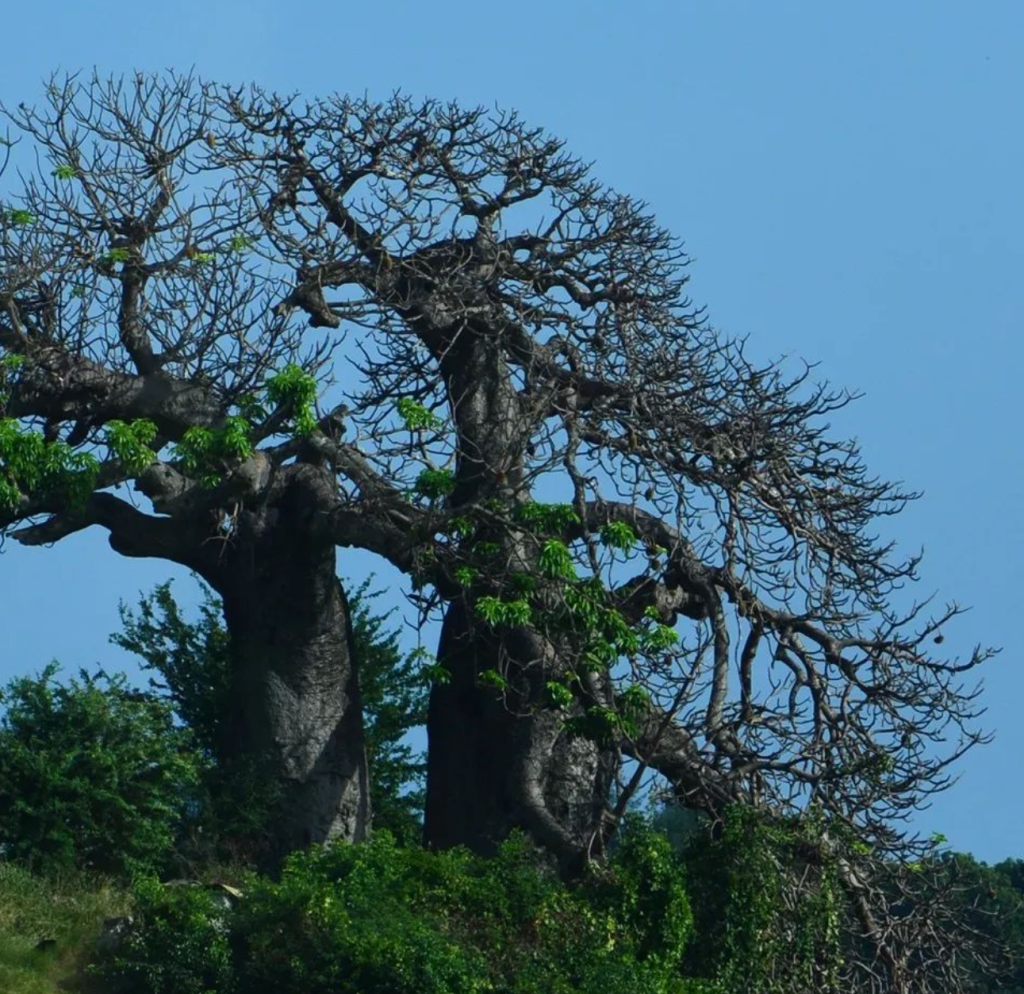
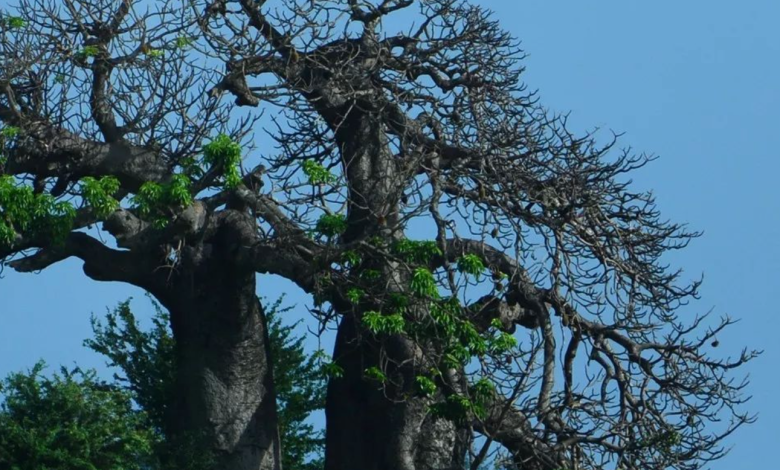
1. The Baobab (Adansonia digitata): Africa’s Tree of Life
Cultural Significance
During my stay in Kilifi County, elders shared how baobabs serve as:
- Sacred prayer sites where expectant mothers seek blessings
- Community meeting points under their massive canopies
- Natural landmarks referenced in oral histories and folk songs
One particular 1,200-year-old baobab near Malindi bears ceremonial scars where generations have conducted initiation rituals. Local legend claims its hollow trunk once sheltered an entire village during tribal conflicts.
Ecological Marvels
These giants demonstrate incredible adaptations:
- Water storage: A mature baobab can hold 26,000 gallons in its spongy trunk
- Longevity: Carbon-dated specimens exceed 2,500 years
- Drought survival: Roots extend twice the tree’s height to tap groundwater
Medicinal Uses I’ve Witnessed:
- Bark tea for fever (contains vitamin C)
- Leaf poultices for wounds
- Fruit powder (“superfood”) rich in antioxidants
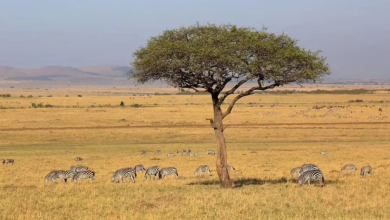
2. Acacia: The Savanna’s Umbrella
Cultural Symbolism
The Maasai refer to Acacia tortilis as “Ol-erai” (the protector). Its silhouette:
- Features on Kenya’s 20 shilling coin
- Symbolizes resilience in Kikuyu proverbs
- Marks traditional grazing boundaries
At Amboseli, I photographed Maasai warriors using acacia thorns as natural needles for stitching leather.
Ecological Roles
Acacias form the backbone of savanna ecosystems:
- Nitrogen fixation: Root nodules enrich poor soils
- Wildlife support:
- Giraffes feed on leaves (up to 34kg/day)
- Weaverbirds nest in thorny branches
- Drought adaptation:
- Taproots reach 40m deep
- Small leaves minimize water loss
Fire Survival Trick: Some species resprout from roots after burns.
3. Mount Kenya’s Giant Groundsel (Dendrosenecio battiscombei)
Cultural Mystique
Kikuyu tradition holds that these alien-like plants:
- Guard the mountain god Ngai’s domain
- Mark sacred zones where rituals occur
- Inspired the “Triffids” in local folklore
Guides shared how elders once used their water-filled leaf rosettes as emergency drinking sources.
Alpine Adaptations
Surviving at 3,000-4,500m elevation requires:
- Insulating dead leaves that trap warmth
- Night leaf folding to prevent freezing
- Slow growth (just 2-5cm/year)
Climate Change Impact: Rising temperatures are pushing populations higher up the mountain.
4. The Albizia: Shade Tree of Communities
Social Importance
In western Kenya, I observed:
- Marketplaces naturally forming under albizia canopies
- Schoolyards planted for cooling shade
- Beehives hung from branches for honey production
Luhya elders consider them “marriage trees” – couples wed beneath them for fertility blessings.
Environmental Benefits
These trees excel at:
- Erosion control: Extensive root systems
- Soil improvement: Fixes 50-100kg nitrogen/hectare/year
- Timber production: Lightweight wood for carvings
Craftsmanship Note: The famous “Akamba” carvers prefer albizia for intricate sculptures.
5. Prosopis juliflora: The Controversial Invader
Cultural Dilemma
In Baringo County, I witnessed:
- Pastoralists cursing its thorny invasion of grazing lands
- Entrepreneurs harvesting pods for livestock feed
- Women’s groups making charcoal briquettes from its wood
This “devil tree” sparks heated debates between ecologists and pragmatists.
Ecological Impact
While problematic, prosopis offers:
- Drought resilience: Grows where little else survives
- Economic uses:
- 50% protein pod content
- High BTU firewood
- Land reclamation: Stabilizes degraded soils
Control Methods:
- Biological: Seed-eating beetles
- Mechanical: Bulldozing with root removal
- Utilization: Sustainable harvesting initiatives
Conservation Efforts and Challenges
Successful Programs
- Baobab Guardians: Community-led protection
- Acacia Restoration: Replanting in degraded rangelands
- Alpine Monitoring: Tracking climate impacts
Ongoing Threats
- Deforestation: 12,000 hectares lost annually
- Invasive species: Like prosopis overtaking native habitats
- Climate shifts: Altering mountain ecosystems
Personal Observation: The Green Belt Movement (founded by Wangari Maathai) remains vital, having planted 51 million trees since 1977.
How Visitors Can Engage Responsibly
Ethical Interactions
- Photograph respectfully: Avoid damaging roots/bark
- Purchase sustainable products: Like baobab fruit powder
- Support reforestation: Many lodges offer tree-planting experiences
Best Viewing Locations
| Tree Species | Top Viewing Spot |
|---|---|
| Baobab | Tsavo East (Mudanda Rock) |
| Acacia | Masai Mara (Keekorok area) |
| Giant Groundsel | Mount Kenya (Shipton’s Camp) |
| Albizia | Kakamega Forest |
| Prosopis | Lake Baringo shores |
Conclusion: Trees as Kenya’s Living Heritage
These arboreal wonders represent more than botanical specimens – they’re living connections between Kenya’s past and future. From the baobab’s timeless presence to the controversial prosopis, each tree tells a story of adaptation and cultural significance. As climate change accelerates, protecting these natural monuments becomes ever more crucial. Whether you’re a botanist, cultural enthusiast, or eco-traveler, Kenya’s trees offer profound lessons about resilience and coexistence. Next time you visit, take a moment to sit beneath their canopies – you might just hear the whispers of generations past.