Kenya is renowned for its breathtaking wildlife and stunning landscapes, but its rich cultural heritage is equally captivating. From ancient ruins to colonial-era landmarks, the country offers a wealth of human-made attractions that tell fascinating stories of trade, conquest, and artistic expression. In this guide, I’ll share the most remarkable historical and cultural sites in Kenya, based on personal visits and expert recommendations.
1. Fort Jesus: A UNESCO World Heritage Site
Location: Mombasa Old Town
One of Kenya’s most iconic landmarks, Fort Jesus, stands as a testament to the country’s turbulent colonial past. Built by the Portuguese in the late 16th century, this fortress was designed to protect their trade routes along the East African coast. Over the centuries, it changed hands between the Portuguese, Omani Arabs, and British, each leaving their mark on its architecture.
When I visited, I was struck by the blend of European and Swahili influences in its design. The thick coral walls, cannons, and underground storage rooms evoke a sense of history that’s almost tangible. Today, it houses a museum displaying artifacts from the coastal trade era, including Chinese porcelain and Arab coins. The rooftop offers panoramic views of the Indian Ocean, making it a perfect spot for photography.
Why visit?
✔ UNESCO World Heritage status
✔ Stunning ocean vistas
✔ Rich historical exhibits
2. Gedi Ruins: A Lost Swahili City
Location: Arabuko Sokoke Forest near Malindi
Hidden deep within a lush forest, the Gedi Ruins are one of Kenya’s most mysterious archaeological sites. Dating back to the 13th century, this Swahili settlement thrived as a trading hub before being abandoned under unclear circumstances. The ruins include mosques, palaces, and houses—all built from coral stone.
During my exploration, I was fascinated by the advanced urban planning—evidence of a sophisticated drainage system and separate residential areas. Artifacts like Ming Dynasty ceramics and Venetian glass beads reveal Gedi’s connections to global trade networks. Walking through the ruins feels like stepping back in time, with the forest adding an air of mystique.
Why visit?
✔ Well-preserved medieval Swahili architecture
✔ Rare archaeological finds
✔ Peaceful, off-the-beaten-path experience
3. African Heritage House: A Celebration of African Art
Location: Nairobi
For art lovers, the African Heritage House is a must-see. Designed by Alan Donovan, this stunning building blends traditional mud architecture from across Africa—from Mali’s Great Mosque to Moroccan kasbahs. Inside, it houses over 6,000 artifacts, including textiles, masks, and antique furniture.
I personally recommend taking a guided tour to fully appreciate the collection. The handwoven Kuba cloths and Maasai beadwork are particularly impressive. The house also offers cultural dinners, where you can enjoy Kenyan dishes while overlooking the Nairobi National Park.
Why visit?
✔ Unique fusion of African architectural styles
✔ Rare art and craft collections
✔ Cultural dining experience
4. Karen Blixen Museum: A Journey into Colonial Kenya
Location: Nairobi (Ngong Hills)
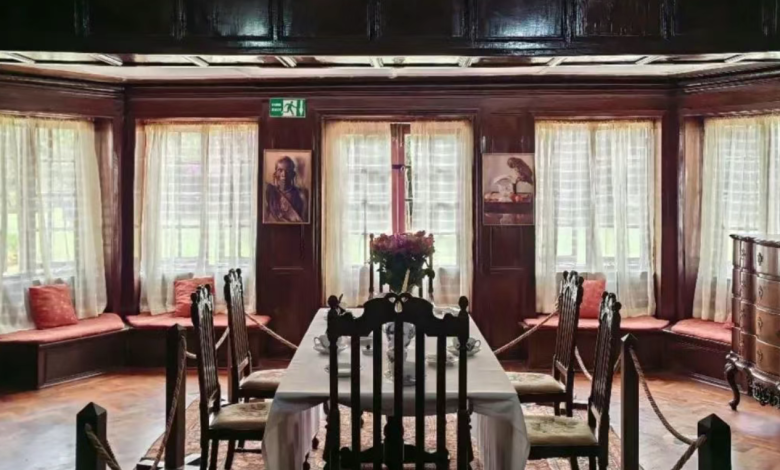
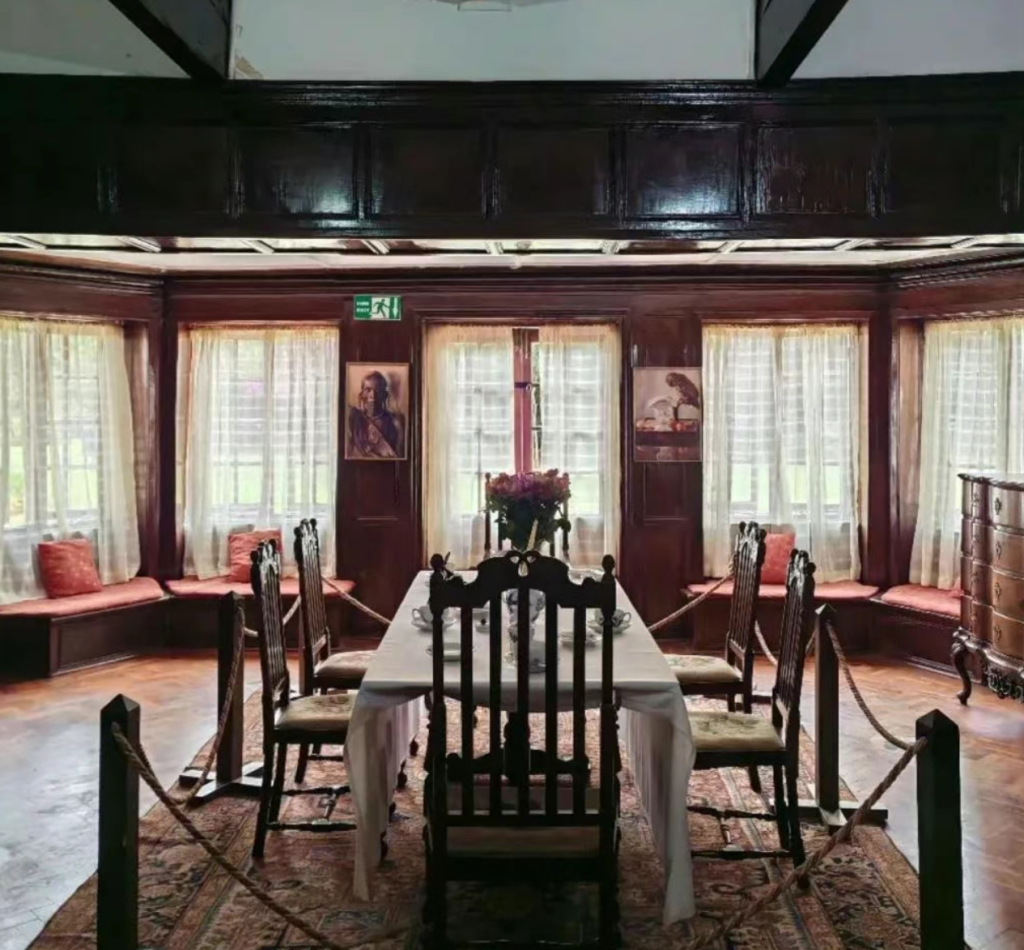
Fans of the book (or movie) Out of Africa will love the Karen Blixen Museum, the former home of Danish author Karen Blixen. The colonial-era farmhouse has been preserved as it was in the early 20th century, complete with original furniture and personal belongings.
When I visited, the guided tour provided deep insights into Blixen’s life—her love for Kenya, her struggles as a coffee farmer, and her literary legacy. The lush gardens and views of the Ngong Hills make it a serene escape from Nairobi’s hustle.
Why visit?
✔ Literary and historical significance
✔ Beautiful colonial-era setting
✔ Peaceful garden surroundings
5. Takwa Ruins: A Remote Historical Escape
Location: Manda Island (Lamu Archipelago)
The Takwa Ruins are a hidden gem, accessible only by boat. This 15th-century Swahili settlement was abandoned in the 17th century, leaving behind a hauntingly beautiful ghost town. The Great Mosque, with its distinctive pillar, is the most intact structure.
I found Takwa’s isolation incredibly refreshing—no crowds, just the sound of the wind and ocean. It’s a fantastic spot for sunset photography or a quiet picnic.
Why visit?
✔ Secluded, untouched ruins
✔ Unique Swahili architecture
✔ Perfect for history buffs seeking tranquility
6. Kisumu Clock Tower: A Symbol of Philanthropy
Location: Kisumu City
The Kisumu Clock Tower may seem simple, but its backstory is touching. Built in 1938, it honors Kassim Lakha, an Indian philanthropist who funded healthcare for locals. The tower remains a landmark of multicultural heritage in Kenya.
When I passed by, I admired its classic British colonial design—a reminder of Kenya’s layered history. Nearby markets offer a chance to interact with friendly locals.
Why visit?
✔ Historical colonial landmark
✔ Heartwarming philanthropic legacy
✔ Great for quick photo stops
Final Thoughts: Which One to Visit?
If you’re short on time, I’d prioritize Fort Jesus (for history) and the African Heritage House (for art). For offbeat explorers, Gedi and Takwa Ruins offer unparalleled atmosphere. Each site provides a unique glimpse into Kenya’s past—far beyond just safaris!
Have you visited any of these? Share your experiences in the comments!