Introduction: Dressing Smart for the African Bush
After leading 14 safari groups across Kenya’s diverse landscapes, I’ve perfected the art of safari dressing that balances practicality with Instagram-worthy style. The right clothing can mean the difference between an uncomfortable, bug-bitten experience and a magical wilderness adventure. Kenya’s unique conditions – from dusty game drives to chilly mornings and blazing midday sun – demand careful wardrobe planning that goes beyond the typical travel packing list.
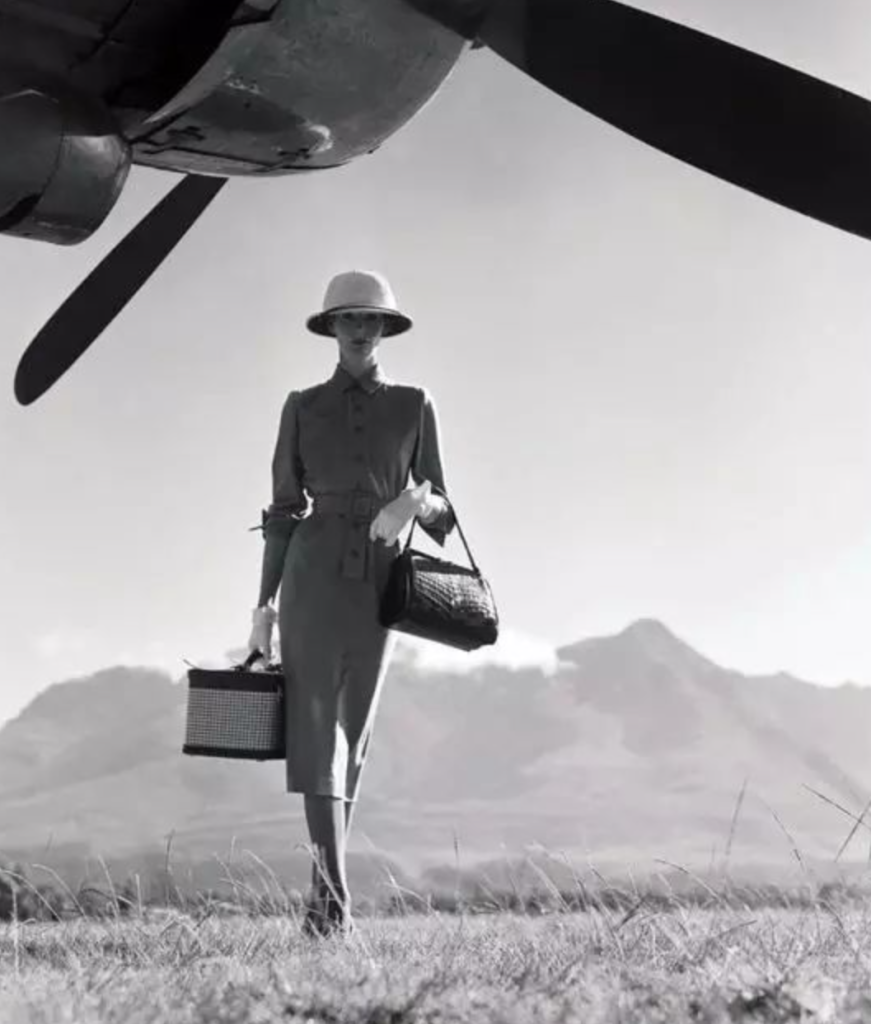
The Golden Rules of Safari Dressing
Color Palette: Blend In, Stand Out (Strategically)
Do: Earth tones (khaki, olive, tan) and muted neutrals (stone, taupe) are safari staples for good reason. During my first Masai Mara visit, our guide pointed out how my bright blue shirt made animals noticeably more skittish compared to when I wore neutral tones.
Don’t: Avoid:
- Black/dark blue (attracts tsetse flies)
- White (shows dust instantly)
- Camouflage (illegal for civilians in Kenya)
- Bright colors (disrupts wildlife)
Pro Tip: Add personality with colorful Maasai bead bracelets or a patterned scarf – easy to remove if needed.
Fabric Technology: Your Second Skin
Essential Fabric Properties:
- Quick-drying (for sweat and sudden rains)
- Breathable (like merino wool or technical blends)
- UPF protection (look for 30+ rated fabrics)
- Odor-resistant (key for multi-day wear)
My Go-To Brands:
- ExOfficio (best insect-shield clothing)
- Craghoppers (affordable UPF options)
- Ibex (merino wool specialists)
Complete Safari Outfit Breakdown
Morning Game Drive Ensemble (5-10°C)
Layer 1: Merino wool base layer top (Icebreaker 200gsm)
Layer 2: Fleece jacket (Patagonia Better Sweater)
Layer 3: Windproof shell (Arc’teryx Squamish)
Bottom: Convertible quick-dry pants (Prana Zion)
Extras: Gloves, neck gaiter, beanie
*Personal Note: I learned the hard way that 5°C in an open safari vehicle feels like -10°C with wind chill!*
Midday Exploration Outfit (25-30°C)
Top: Long-sleeve UPF shirt (Columbia Silver Ridge)
Bottom: Lightweight safari pants (Kühl Renegade)
Hat: Wide-brim with neck flap (Sunday Afternoons Adventure)
Footwear: Breathable hiking shoes (Keen Targhee)
Why It Works: The UPF fabric prevents sunburn during peak UV hours while remaining surprisingly cool.
Evening Sundowner Attire
Men: Collared safari shirt + chinos
Women: Flowy linen dress (neutral tones)
Footwear: Closed-toe camp shoes (Allbirds Tree Dashers)
Accessory: Lightweight pashmina
Pro Tip: Lodges often enforce smart-casual dress codes for dinner – no safari gear at the table!
Footwear: From Dusty Trails to Luxury Lodges
Essential Shoes for Different Scenarios:
- Sturdy Hiking Shoes (for walking safaris)
- Recommended: Merrell Moab 3 (ankle support version)
- Break them in for at least 2 weeks pre-trip
- Comfortable Camp Shoes
- Recommended: Teva Original Universal
- Perfect for lounging at luxury tented camps
- Smart Casual Options
- Recommended: Rothy’s The Sneaker
- Lodge-approved yet packable
Sock Strategy: Bring multiple thin merino wool pairs – they regulate temperature and prevent blisters better than cotton.
Accessories That Make a Difference
The Safari Survival Kit:
- Multi-functional Buff
- Use as: Headband, face mask, neck warmer
- Recommended: Original Buff UPF 50+
- Safari Hat with Stampede String
- Key features: 3-4″ brim, ventilation
- Recommended: Tilley LTM6 Airflo
- Polarized Sunglasses
- Essential for dust and glare
- Recommended: Maui Jim Ho’okipa
- Compact Binocular Harness
- Keeps optics accessible
- Recommended: Cotton Carrier Skout
Packing Like a Pro: Quantity vs. Laundry
7-Day Safari Capsule Wardrobe:
- 3-4 tops (mix of short/long sleeve)
- 2-3 bottoms (convertible pants + 1 spare)
- 1 warm layer (packable down jacket)
- 1 rain shell (ultralight)
- 3 underwear (quick-dry material)
- 2 socks (merino wool)
- 1 sleep set (lightweight)
Laundry Reality: Most lodges offer same-day laundry for $1-3 per item – take advantage!
Photography-Friendly Outfits
Colors That Pop Against Landscapes:
- Terracotta (stunning against green savanna)
- Sage Green (complements dry-season grasses)
- Deep Mustard (pairs beautifully with acacia trees)
Pattern Play: Small-scale prints like subtle ikat or tribal motifs photograph beautifully without disturbing wildlife.
Seasonal Adjustments
Long Rains (April-May):
- Waterproof backpack cover
- Quick-dry trail pants
- Waterproof shoe treatment
Short Rains (November):
- Packable umbrella
- Lightweight poncho
- Extra moisture-wicking socks
Cultural Considerations
When visiting Maasai villages:
- Women: Shoulders and knees covered
- Men: Avoid shorts
- Colors: Red/blue appreciated (Maasai favorites)
Gift Idea: Bring old clothing to donate – it’s often more useful than money.
Final Checklist Before You Zip Your Bag
✅ Neutral color palette
✅ Moisture-wicking fabrics
✅ Broken-in footwear
✅ Sun protection (hat, UPF, sunglasses)
✅ Warm layer for mornings
✅ Camera-friendly accessories
✅ Laundry bag for dust management
Remember: The best safari outfits keep you comfortable while disappearing into the landscape. By following these guidelines, you’ll spend less time fussing with clothing and more time marveling at lions on the hunt or elephants at a waterhole. After all, in the African bush, nature provides the real drama – your clothing should simply set the stage.