Introduction: Beyond the Safari Stereotype
When most people think of Kenya, images of majestic wildlife and sweeping savannas immediately come to mind. But after spending three months exploring this fascinating country, I discovered Kenya holds countless surprises that defy common stereotypes. From technological innovations to linguistic quirks, here are 15 remarkable facts that will change how you see this East African nation.
1. Your iPhone’s Secret Kenyan Connection
That helpful voice assistant in your pocket? Siri owes its name to Kenya’s Swahili language, where it means “secret.” As I learned during a tech conference in Nairobi, Apple co-founder Adam Cheyer chose this name because the technology was originally developed as a secret project. What amazed me more was hearing tech-savvy Maasai warriors effortlessly switch between Swahili, their tribal language, and flawless English – Kenya’s two official languages.
2. A Tower of Babel in One Nation
During my homestay in western Kenya, I was stunned to discover my host family routinely used four different languages in daily conversation. Kenya officially recognizes 43 tribes speaking over 80 languages – from the Kikuyu (the largest ethnic group) to the Kalenjin (renowned for producing world-class runners). The 2017 recognition of the Makonde people as Kenya’s newest tribe shows this linguistic landscape continues evolving.
3. Sheng: The Rebel Language of Nairobi’s Youth
Nothing prepared me for the linguistic creativity I encountered in Nairobi’s vibrant music scene. Young Kenyans have invented Sheng – a dynamic slang blending English, Swahili, and local dialects. A hip-hop artist explained: “It started as code to keep parents clueless, now it’s our cultural identity.” I watched amused as middle-aged Kenyans struggled to decipher their children’s conversations, proving generation gaps transcend continents.
4. Africa’s Most Literate Nation
While visiting a remote Maasai village school, I witnessed Kenya’s impressive 85% literacy rate firsthand. Children recited lessons in English while elders looked on proudly. This educational achievement stems from Kenya’s heavy investment in schooling since independence, creating one of Africa’s most educated workforces.
5. The YouTube Champion Who Revolutionized Kenyan Sports
At a Nairobi sports bar, locals cheered wildly for Julius “Mr. YouTube” Yego, the world champion javelin thrower who learned his technique by watching online videos. Kenya’s athletic dominance extends beyond marathon running – the Kalenjin tribe alone produces 75% of the nation’s champion athletes through a combination of genetic advantages and high-altitude training.
6. Twitter’s African Powerhouse
During Kenya’s 2017 elections, I watched as #KenyaDecides trended globally, forcing electoral officials to address voting irregularities. With Africa’s second-most active Twitter community, Kenyans have turned social media into a powerful democratic tool. The viral “Githeri Man” meme showed how online activism blends with humor in Kenyan digital culture.
7. Mobile Money Pioneers
Long before Venmo existed, Kenyans were paying bills via text message. The M-Pesa system (launched in 2007) allows transactions on basic phones – I saw Maasai herders receive payments for handicrafts via this service. With over 30 million users, Kenya’s mobile banking revolution has inspired similar systems worldwide. Recent talks with WeChat Pay may soon allow Chinese tourists to pay via QR codes too.
8. Tea Drinkers in Coffee Paradise
Sipping chai at a Nairobi café, I learned Kenya paradoxically consumes more tea than coffee despite being famous for its AA coffee beans. British colonial influence established tea-drinking traditions that endure today. At the Kericho tea plantations, workers explained how Kenya became one of the world’s top tea exporters while most locals prefer their daily cuppa to coffee.
9. Telemedicine Revolution
When I developed malaria symptoms in rural Kenya, a clinic assistant used the M-Tiba app to consult a Nairobi specialist via smartphone. This innovative platform addresses Kenya’s doctor shortage (1 per 6,355 people) by enabling remote diagnostics and electronic prescriptions. Such mobile health solutions demonstrate Kenya’s creative approach to developmental challenges.
10. High-Tech Conservation
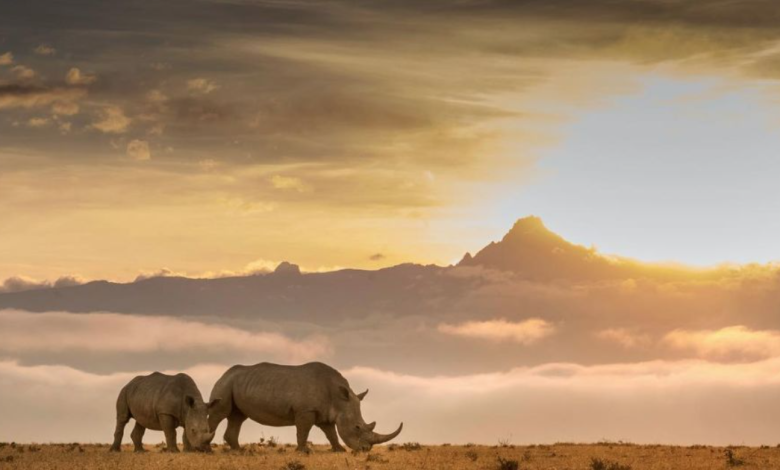
Night vision cameras, drone patrols, and animal tracking chips – Kenya’s anti-poaching efforts resemble a spy thriller. At Ol Pejeta Conservancy, I observed how thermal imaging helps rangers protect rhinos 24/7. Even Maasai herders now use GPS collars to monitor livestock, blending tradition with cutting-edge technology.
11. Environmental Trailblazers
Wangari Maathai, Kenya’s Nobel Peace laureate, pioneered Africa’s green movement by planting millions of trees. Kenya continues this legacy with bold conservation policies – I witnessed the 2016 ivory burn where 105 tons of tusks were destroyed, sending a powerful anti-poaching message. The country’s 56 national parks and reserves protect incredibly diverse ecosystems from coral reefs to alpine forests.
12. World’s Strictest Plastic Ban
Kenya’s 2017 plastic bag ban carries shocking penalties – up to $38,000 fines or jail time. In Lamu, I sailed on a dhow boat made from 30,000 recycled flip-flops, showcasing ingenious solutions to marine pollution. This environmental commitment makes Kenya a global leader in sustainability.
13. Geological Wonderland
Hiking through Hell’s Gate National Park, I marveled at landscapes ranging from snow-capped mountains to fluorescent hot springs. Kenya’s portion of the Great Rift Valley contains fossil beds documenting human evolution, while its 536km coastline boasts some of Africa’s most stunning beaches like Diani’s powder-white shores.
14. Cradle of Humankind
At Lake Turkana’s fossil sites, paleontologists showed me 2-million-year-old hominid remains that rewrite human history. Kenya’s geological treasures include the 20-million-year-old Rift Valley, still slowly tearing Africa apart. These sites remind us that all humanity may have Kenyan roots.
15. Pack for All Seasons
Nothing prepared me for frigid mornings in the Maasai Mara, where temperatures can drop to 10°C despite Kenya’s equatorial location. My guide laughed as I shivered in my safari shorts: “We always tell tourists – bring a jacket!” The high-altitude climate makes Kenya pleasantly cool year-round.
Conclusion: Kenya’s Endless Surprises
After three months exploring Kenya, I realized how little I’d known about this multifaceted country. Beyond the wildlife spectacles, Kenya offers technological innovation, environmental leadership, and cultural richness that defy expectations. Whether you’re a first-time visitor or seasoned Africa traveler, these fascinating facts reveal why Kenya continues to surprise and delight those who look beyond the safari postcard image.
What surprising Kenya facts have you discovered? Share your experiences in the comments below! For those planning a visit, remember – the only thing predictable about Kenya is its ability to astonish.