Kenya is a land of breathtaking landscapes, diverse wildlife, and awe-inspiring natural phenomena. While famous for the Great Wildebeest Migration, the country offers so much more—from snow-capped mountains on the equator to flamingo-filled lakes and geothermal wonders. Having explored Kenya extensively, I’ve curated this list of its top 10 natural attractions, complete with personal insights and practical tips.
1. Maasai Mara National Reserve: The Greatest Wildlife Spectacle
Location: Southwestern Kenya
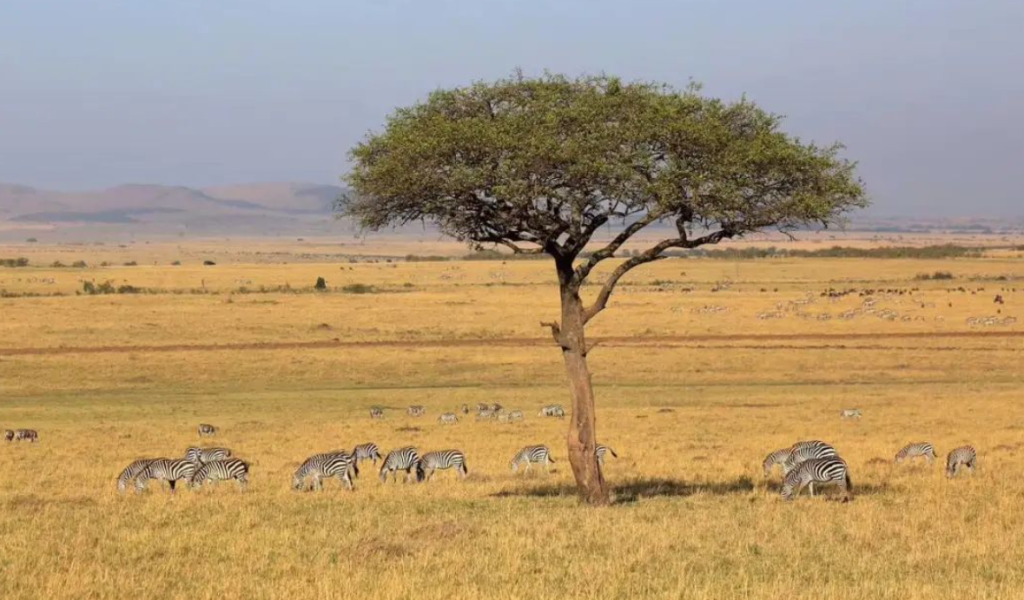
No visit to Kenya is complete without experiencing the Maasai Mara, home to the Great Wildebeest Migration (July–September). Watching over a million wildebeest, zebras, and antelopes cross the treacherous Mara River—while crocodiles lurk beneath—is one of nature’s most dramatic events.
In my experience, the best way to witness this is on a game drive at dawn when predators like lions and cheetahs are most active. For a bird’s-eye view, I highly recommend a hot-air balloon safari—floating over the golden savanna at sunrise is unforgettable.
Why visit?
✔ The world’s most famous wildlife migration
✔ Big Five sightings (lion, leopard, elephant, buffalo, rhino)
✔ Cultural encounters with the Maasai people
2. Amboseli National Park: Elephants Against Kilimanjaro
Location: Southern Kenya, near Tanzania
Amboseli is famous for its iconic views of elephants roaming with Mount Kilimanjaro in the background. The park’s swamps and open plains attract large herds, making it one of the best places in Africa to observe these gentle giants up close.
When I visited, I was mesmerized by the sunrise over Kilimanjaro, casting a golden glow on the grazing elephants. The Observation Hill offers panoramic views, while the Enkongo Narok swamp is a hotspot for hippos and buffalo.
Why visit?
✔ Postcard-perfect elephant photography
✔ Stunning Kilimanjaro backdrops
✔ Rich birdlife, including pelicans and kingfishers
3. Lake Nakuru: A Pink Flamingo Paradise
Location: Great Rift Valley
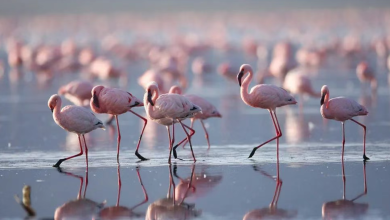
Known as the “Birdwatcher’s Paradise,” Lake Nakuru is famous for its thousands of flamingos turning the shoreline pink. The alkaline lake also attracts rhinos, giraffes, and leopards, making it a fantastic Big Five alternative to the Mara.
I personally recommend visiting between June and March when flamingo numbers peak. The Baboon Cliff viewpoint provides a stunning overlook, while the Makalia Falls add a scenic touch.
Why visit?
✔ One of the world’s largest flamingo populations
✔ Rhino sanctuary (both black and white rhinos)
✔ Easy accessibility from Nairobi
4. Mount Kenya: Snow on the Equator
Location: Central Kenya
Africa’s second-highest peak, Mount Kenya (5,199m), is a UNESCO World Heritage Site with glaciers, alpine forests, and unique wildlife like the colobus monkey. Hiking here is challenging but rewarding—especially the Point Lenana trek (3–5 days).
From my experience, the Sirimon Route is the most scenic, passing through moors and giant lobelias. If you’re not into climbing, the Fairmont Mount Kenya Safari Club offers luxury stays with mountain views.
Why visit?
✔ Rare equatorial glaciers
✔ Diverse ecosystems (bamboo forests, alpine meadows)
✔ Home to rare species like the bongo antelope
5. Tsavo National Park: The Land of Red Elephants
Location: Southeastern Kenya
Tsavo East & West form Kenya’s largest park, known for its red-dusted elephants and dramatic landscapes. Highlights include:
✔ Mudanda Rock (a natural wildlife watering hole)
✔ Lugard Falls (rapids carving through volcanic rock)
✔ Yatta Plateau (the world’s longest lava flow)
When I explored Tsavo, I was amazed by the night game drives, where I spotted African wild dogs and elusive leopards. The Shetani Lava Fields (a black volcanic expanse) feel like another planet.
Why visit?
✔ Unique red elephant herds
✔ Off-the-beaten-path safari experience
✔ Stunning geological formations
6. Hell’s Gate National Park: Walking Among Geysers
Location: Near Lake Naivasha
Unlike most parks, Hell’s Gate allows walking and cycling safaris—making it a thrilling adventure. The park features:
✔ Fischer’s Tower (a volcanic rock climber’s dream)
✔ Olkaria Geothermal Spa (natural hot springs)
✔ Steaming vents and gorges (inspiring Disney’s The Lion King)
I loved biking past zebras and giraffes here—it’s one of the few places where you can hike alongside wildlife safely.
Why visit?
✔ Unique geothermal activity
✔ No vehicle restrictions (great for biking)
✔ Stunning gorge hikes
7. Watamu Marine National Park: Underwater Wonderland
Location: Indian Ocean coast
A UNESCO Biosphere Reserve, Watamu boasts coral reefs, sea turtles, and dolphins. Snorkeling here feels like swimming in an aquarium—I spotted parrotfish, moray eels, and even whale sharks!
Best time to visit: October–March for calm seas. Don’t miss the Bio-Ken Snake Farm nearby for a fascinating reptile encounter.
Why visit?
✔ Pristine coral gardens
✔ Turtle conservation projects
✔ Glass-bottom boat tours
8. Thomson’s Falls: Kenya’s Most Scenic Waterfall
Location: Nyahururu
This 74-meter waterfall plunges into a misty gorge, surrounded by lush forest. Standing on the equator line here is a fun photo op! Nearby, the Ol Bolossat Plateau offers great hiking.
Why visit?
✔ Easy day trip from Nairobi
✔ Refreshing cool climate
✔ Picnic spots with epic views
9. Lake Bogoria: Flamingos & Geysers
Location: Great Rift Valley
This alkaline lake is less touristy than Nakuru but equally stunning, with hot springs and geysers erupting along its shores. I watched flamingos wade through steaming pools—a surreal sight!
Why visit?
✔ Fewer crowds than Nakuru
✔ Active geysers and hot springs
✔ Great for birdwatching
10. Lake Turkana: The Jade Sea
Location: Northern Kenya
The world’s largest permanent desert lake, Turkana’s otherworldly blue-green waters contrast starkly with the surrounding volcanic rocks. It’s also a paleontological treasure trove, with early human fossils discovered here.
Why visit?
✔ Remote, untouched beauty
✔ Fascinating prehistoric sites
✔ Unique desert-lake ecosystem
Final Tips for Exploring Kenya’s Natural Wonders
- Best time to visit: June–October (dry season for wildlife) or January–February (great for birding).
- Pack wisely: Binoculars, sunscreen, and a good camera are essential.
- Combine parks: A Mara-Nakuru-Amboseli circuit covers the highlights in 7–10 days.
Kenya’s natural wonders are as diverse as they are spectacular. Whether you’re chasing the Big Five, hiking equatorial glaciers, or snorkeling coral reefs, this country never fails to amaze. Which of these attractions is calling you? Let me know in the comments!